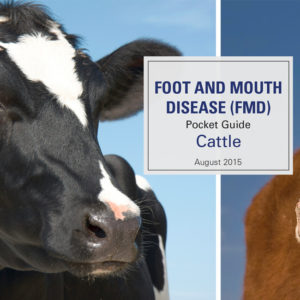
Bovine Diseases and Resources

Cattle are important to society for many reasons. They are a source of meat, milk and other dairy products, as well as leather and other by-products. Cattle can digest forages that cannot be digested by humans converting it into a high-protein food source for human consumption. Cattle are grazed in regions where crops cannot be easily grown. Cattle provide employment and food security to many of the world's poorest people. The manure from cattle is a valuable soil additive. For some, such as nomadic Masai, cattle are the most important and valuable thing they own. Thirty percent of the world's cattle live in India where they are considered a sacred animal. In 2009, 293 million head of cattle were slaughtered worldwide. In the United States, cattle and calf production in 2010 was valued at $37 billion. The diseases listed here are some of most important transboundary animal diseases that affect cattle. Some of these are zoonotic.
Bovine Diseases

Akabane
Amblyomma hebraeum
Amblyomma variegatum
Ántrax
Babesiosis Bovina
Botulismo
Brucella abortus
Brucelosis
Campilobacteriosis
Clamidiosis, Zoonótica
Criptosporidiosis
Dermatisis Nodular Contagiosa
Dermatofilosis
Echinococcosis
Encefalomielitis Ovina
Encefalopatía Espongiforme Bovina (BSE)
Encefalopatías Espongiformes Transmisibles
Enfermadad de Wesselsbron
Enfermedad de Aino
Enfermedad de Aujesky
Estomatitis Vesicular
Fiebre Aftosa
Fiebre Catarral Maligna
Fiebre Efímera Bovina
Fiebre Hemorrágica de Crimea-Congo
Fiebre Q

ver todas las enfermedades »

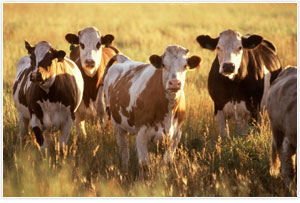
Cows in a meadow.

Resources and Diseases by Species

Aquatic Animals Bovine
Canine Cervids
Equine Feline
Humans Non-Poultry Birds
Pocket Pets Poultry
Small Ruminants Swine